


Livestream Shopping Spin Wheel Game: Keep Viewers, Turn Views Into Orders
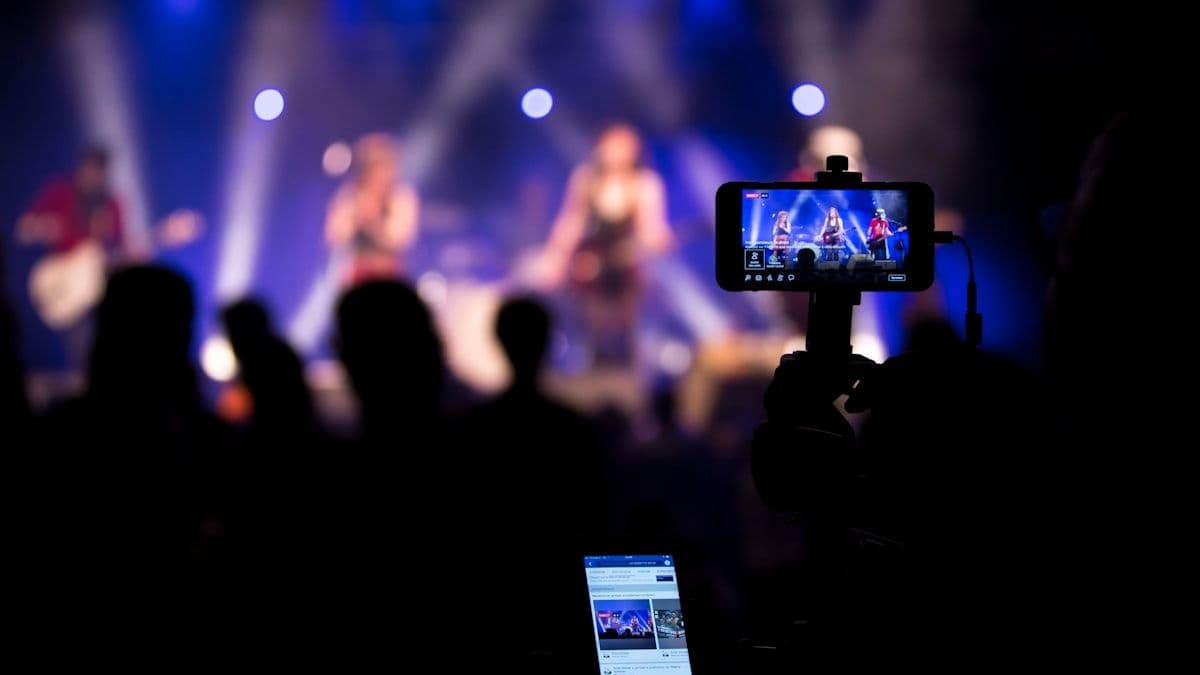
A Facebook or TikTok live selling session has only a few seconds to convince a viewer to stay before they swipe to the next stream. Unlike a physical storefront, where a shopper has already walked in and tends to linger, a live shopping viewer always has a finger hovering over "next." That is exactly why more sellers, agencies, and brands running livestream commerce in Vietnam are now building a spin-the-wheel moment into the stream itself, rather than relying on the host's voice alone to hold attention.
This article breaks down why livestream selling needs an active reason for viewers to stick around, how a spin wheel actually works while the stream is running, and why tying spins to a completed order — not just to watching — is what turns the mechanic into a real conversion driver.
Want to run a similar program?
See a real prize wheel running right in your browser.
Why livestream selling needs a reason to stay, not just scroll past
In a live feed, attention is the scarcest resource on the platform. A viewer has no built-in reason to stay on any one stream — they stay only when there's a specific, recurring reason to keep watching, and that reason has to be reinforced throughout the broadcast, not just announced once at the start.
This is the key difference between livestream selling and other activation formats LuckyWheel already supports, such as an event booth or a point-of-sale activation: in a physical space, the shopper is already standing in front of you. On a livestream, they can leave at any moment with a single swipe. A spin-wheel moment that the host references repeatedly — "next round of spins opens in ten minutes," "everyone who just placed an order, go spin now" — creates a recurring anchor point that gives viewers a concrete reason to keep watching for their turn, instead of leaving right after one product is shown.
In other words, the wheel isn't just entertainment layered on top of the stream — it's a pacing tool the host can use to control when viewers should stay put and when they should act.
How the mechanic actually works during a live broadcast
Unlike a traditional mechanical prize wheel that needs physical hardware or a separate app, a livestream spin wheel is built to sit directly inside the flow of a live selling session:
- The host pins the spin link in the stream's comments or description at the start of the broadcast, and repeats it periodically so viewers who join mid-stream still know how to play.
- Viewers tap the link straight from their phone — no QR code to scan, no app to install, no need to leave the Facebook or TikTok app they're already watching the stream in.
- The result appears within seconds, thanks to Instant Play draw logic, fast enough for the host to react live on camera — congratulating a winner, nudging viewers who haven't ordered yet, and keeping the stream's energy from dipping.
- All of this happens while the stream is running, with no need for the host to pause the broadcast or manually cross-check a list of participants.
The whole loop is tight enough that viewers barely have to look away from the stream — tap the link, spin, see the result, and keep watching, all within a few seconds.
Why tying spins to a real order is what actually drives conversion
The real difference between a spin wheel that's "fun to have" and one that measurably moves sales sits in the entry condition. If anyone watching the stream can spin for free, the mechanic mostly boosts watch time — it doesn't push anyone toward buying. But once a spin is only granted after a viewer completes an order during that specific stream, the mechanic flips from "watching for fun" to "you have to buy to get your shot."
That single design choice turns the wheel into a purchase incentive that operates while the stream is still live, rather than a side attraction disconnected from actual buying behavior:
- Viewers who are "just browsing" get a concrete reason to check out now, in the stream, instead of telling themselves they'll come back later.
- The host gets a natural, repeatable line to close with: "place your order and you get an instant spin — don't wait if you want a shot at the top prize."
- For sellers running recurring streams, LuckyWheel supports tiered odds and loyalty-style campaigns for returning customers — a shopper on their second or third stream can be weighted toward better odds, giving repeat buyers a reason to keep coming back to future streams instead of buying once and disappearing.
Because the draw logic runs entirely server-side rather than in the viewer's browser, results can't be predicted or tampered with — something that matters a great deal once a spin is directly tied to a real order value.
Reliability: the one thing that can't slip while you're live
Unlike an in-person event activation, which can absorb a few seconds of downtime while someone resets a device, a live broadcast has no safe pause. If the spin wheel lags or breaks in front of thousands of concurrent viewers, that failure happens in public, in real time, and immediately reflects on the seller's credibility.
This is why technical reliability matters just as much as the mechanic itself:
- Server-side draw logic, fully separated from the viewer's browser or device, keeps results transparent and tamper-proof even mid-broadcast.
- A 99.9% uptime commitment, paired with local-first, offline-capable operation, means the system can absorb sudden traffic spikes when a stream unexpectedly goes viral or draws far more viewers than planned.
- Real-time adjustments, such as locking a prize tier the moment it runs out or changing win odds mid-stream, without needing to pause the broadcast or ask the host to do anything technically complex.
For a format growing as fast as livestream shopping is in Vietnam right now — where a single session can run for hours and draw wildly uneven viewer counts depending on the moment — a system that lags or crashes during peak minutes doesn't just cost the game, it costs the orders that were about to close.
Practical tips for scripting a spin wheel into a live selling session
To get the most out of a spin wheel during a livestream, a few practical habits help:
- Have the host repeat the spin link at least three or four times during the stream, not just at the open and close.
- Tie spin eligibility to a completed order, rather than giving everyone watching a free spin.
- Structure prizes in tiers — a high-volume small gift alongside a limited-quantity grand prize per session — to keep anticipation alive for the full length of the stream.
- Watch the real-time dashboard while the stream is live to track spins, orders, and conversion as they happen, instead of waiting until the broadcast ends to add it all up.
Closing thought
In livestream selling, viewer attention doesn't stay by default — it has to be earned with a specific reason to keep watching, and converted with a specific reason to buy. A spin wheel tied to a real completed order, running reliably on camera, solves both problems at once without forcing the host to perform nonstop just to hold the room. If you're scripting an upcoming live selling session, try the live demo campaign from LuckyWheel, or check pricing to find the plan that matches your streaming schedule.