





Multi-Store Dealership Lucky Draw: Tiến Thu Case Study
Most lucky-wheel case studies describe a single booth on a single day. Tiến Thu's "Quay Số May Mắn" (Lucky Number Draw) campaign is a different kind of test: one purchase-incentive draw running at the same time across 19 separate storefronts, six vehicle brands, and however many staff members are working the counter on any given day. That's the scenario this case study breaks down.
Want to run a similar program?
See a real prize wheel running right in your browser.
The campaign, briefly
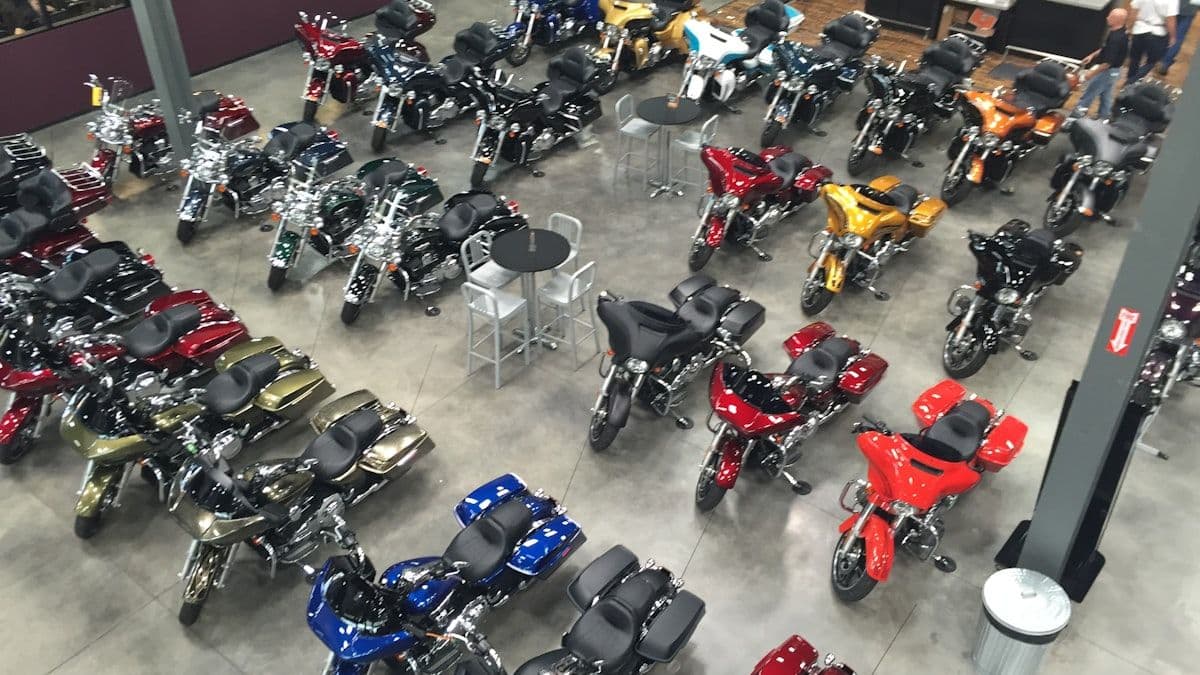
Tiến Thu is a multi-brand motorcycle dealer group operating 19 storefronts across Honda, Yamaha, Piaggio, Kymco, SYM, and Suzuki dealerships — names buyers in the region would recognize, including HEAD Tiến Thu, Tường Phát, Yamaha Town, Piaggio Trang Lee, Tiến Đức, and Cotimex.
The mechanic is straightforward on paper: buy a motorcycle at any storefront in the network, get one spin at the lucky wheel. The live campaign is viewable at luckywheel.vn/campaign/tien-thu-ban-hang.
Why this is a harder operational problem than a typical activation
A lot of lucky-wheel campaigns solve for one thing: getting someone to stop and engage at a booth for thirty seconds. Tiến Thu's campaign had to solve for something else entirely, for two concrete reasons.
The purchase behind each spin is high-ticket, not a free sample. At a sampling booth, a spin is tied to picking up a product sample — the downside of someone gaming an extra spin is close to zero. Here, each spin is tied to an actual motorcycle purchase worth a significant sum. A system that lets "anyone spin, no questions asked" defeats the entire purpose of the incentive: it opens the door to someone claiming multiple spins off one purchase, or spinning on behalf of a buyer who never bought anything.
The campaign spans 19 physical locations and six different brands. A Honda storefront in one district and a Piaggio storefront in another still need to run the exact same rules, the same prize structure, and feed into the same dataset — with a central team able to see how the whole network is performing, not 19 separate spreadsheets that someone has to reconcile by hand at the end of the week.
Put together, the real question wasn't "how do we get people to spin" — it was "how do we verify the right person, the right purchase, at the right store, and roll all of that up into one place."
The mechanic: verify the purchase, then spin
Rather than opening the wheel to anyone who walks up, Tiến Thu's entry flow is built around verifying an actual completed sale. A buyer who has just purchased a motorcycle fills in:
- Full name and phone number
- National ID number
- Invoice number
- The storefront where the purchase was made (selected from the full list of 19 locations in the network)
- The vehicle's brand, model, and frame number
Only after those fields are captured does the buyer get one spin per verified purchase. That's a meaningfully different model from a generic promotional spin: the entry isn't "someone walked by and scanned a QR code" — it's tied to an invoice number and a vehicle frame number, both of which can be traced back to a real transaction.
The detail that matters most operationally is the duplicate-entry guard built into the form itself: the same phone number or the same national ID cannot be used to spin twice for the same purchase. This isn't a manual check a sales associate has to remember to run — it's enforced server-side as part of the entry logic, so it doesn't depend on staff diligence at any one of the 19 storefronts to hold up.
Why this is a strong proof point for multi-location capability
Tiến Thu's campaign demonstrates something most lucky-draw tools don't handle well: running one centrally managed campaign consistently across a large dealer network, while verifying data at the individual-transaction level right at the point of entry — not reconciling it by hand afterward.
Compare that to how a lot of traditional dealer promotions still run: each storefront hands out paper tickets, keeps its own log, and someone at head office collects the stubs at month-end to draw winners manually. That approach is slow, hard to audit for duplicates (nobody can easily tell if one paper ticket matches another across 19 locations), and gives the central team zero real-time visibility into which stores are driving participation and which aren't.
With verification built into the entry form itself, the link between the purchase record, the buyer's identity, and the validity of the spin is established at the moment of entry — not bolted on afterward as a fraud check once something looks wrong. That's the operating model a gamification platform needs when the reward is tied to a real, high-value purchase across a multi-brand, multi-location retail network.
Where the same pattern applies beyond motorcycles
The pattern here — purchase-verified spin, run consistently across many locations — isn't specific to motorcycle retail. Any big-ticket retail network selling through multiple storefronts can use the same structure:
- Auto dealer groups running promotions across several showrooms and brands
- Electronics chains selling high-value items (refrigerators, air conditioners, laptops)
- Furniture and home-goods retailers with multiple branch locations
What all three share with the Tiến Thu case: the purchase value is high enough that verifying the transaction matters before handing out a prize, and the store network is large enough that a centralized system beats 19 (or more) locations each running their own version of the rules.
The takeaway
Tiến Thu's case shows that a lucky wheel isn't limited to being a one-off entertainment mechanic at a single booth — designed correctly, it can run as a stable, network-wide sales incentive with purchase data verified inside the entry flow itself, not audited after the fact. If your dealer or retail network is weighing a similar program, take a look at the live Tiến Thu campaign or book a demo to talk through how the same model would apply to your store network.