

Neutrogena Gamification Campaign Case Study: Sunshine Wheel
Campaign snapshot
- Brand: Neutrogena
- Campaign name: "Vòng Quay Tỏa Nắng" (Sunshine Wheel)
- Season: Summer 2026
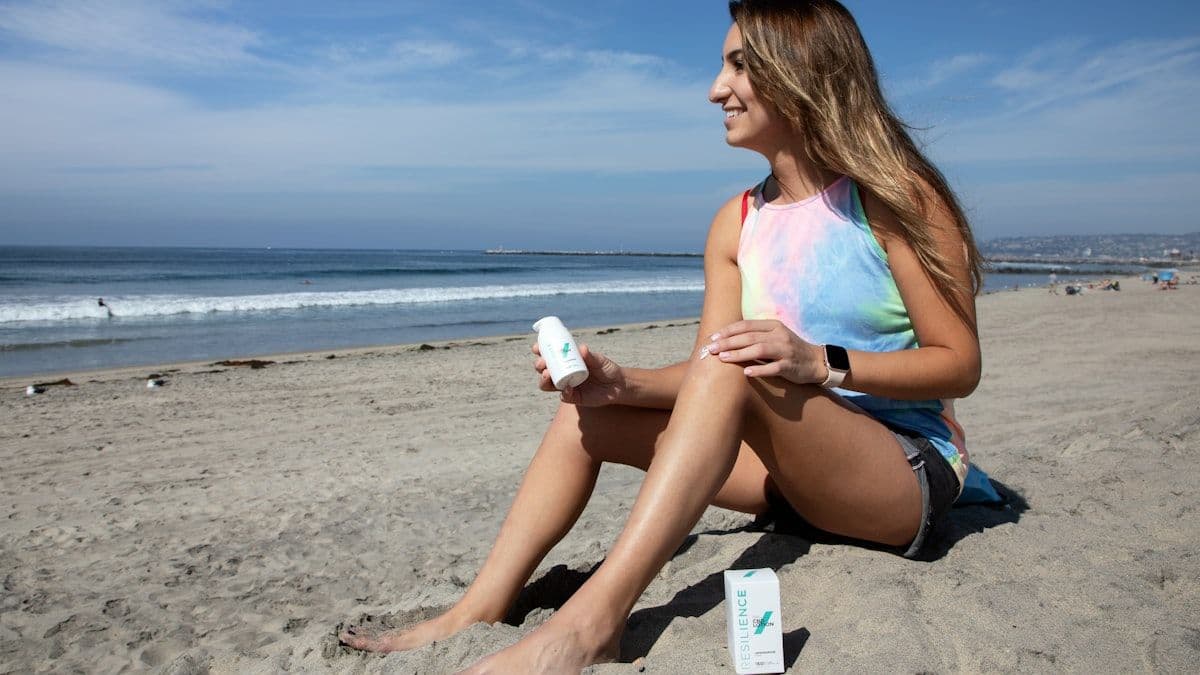
- Product tie-in: Ultra Sheer SPF50 sunscreen
- Core mechanic: buy Ultra Sheer SPF50, spin to win
This isn't a reconstructed example — Sunshine Wheel is a live campaign running on LuckyWheel. What's worth breaking down is the reasoning behind the mechanic, because it's a pattern that generalizes well beyond one sunscreen SKU.
Want to run a similar program?
See a real prize wheel running right in your browser.
The real problem: getting shoppers to pick up the product
For a sunscreen brand, an attractive shelf display or a digital ad doesn't solve the actual conversion problem. Shoppers need to pick up the product, buy it, and actually try it before they'll believe Ultra Sheer SPF50 feels different from whatever else is sitting on the same shelf. Awareness isn't the bottleneck — trial is.
That's exactly why a generic "like and share" or "enter your phone number for a voucher" minigame wouldn't have been the right tool here. Those mechanics generate social engagement, but they don't guarantee anyone actually paid for the product. They measure participation, not purchase behavior.
Sunshine Wheel is built to close that gap by gating the spin behind an actual transaction: no purchase of Ultra Sheer SPF50, no spin. That single design choice is the difference between a campaign optimized for buzz and one optimized for trial — and for a product category where trial is what earns loyalty, the second is the only mechanic that actually moves the metric that matters.
The mechanic: buy the SKU, spin to win
The flow is deliberately short, in line with LuckyWheel's Instant Play model:
- The shopper buys Ultra Sheer SPF50 at the point of sale.
- They scan the campaign QR code to unlock a spin.
- They spin on their own phone and see the result in a few seconds — no app download required.
There's no long form, no extra redirect. For a summer point-of-sale campaign, where shoppers are typically moving quickly through a store, every additional second of friction is a chance to lose the play entirely. That's why the ~3-second reveal isn't a minor technical detail — it's the condition that makes the whole mechanic viable at the counter.
A prize mix chosen to reinforce the message, not just reward the entry
The wheel's prize pool includes: event entry tickets, mini hand fans, a tablet, a woven tote bag, a strawberry-shaped mirror, and an umbrella. What's notable isn't the dollar value of any single prize — it's how deliberately the mix was assembled:
- Mini fans and an umbrella are practical summer items. Every time a winner uses one, they're reminded of the brand that gave it to them, at zero further media cost.
- A tote bag and a mirror fit naturally into a self-care, skin-care context — consistent with the category the product sits in.
- Event tickets and a tablet act as the higher-value draw that motivates participation, while the rest of the mix keeps reinforcing the campaign's core message: "protect healthy, beautiful skin all summer with Neutrogena."
That's the distinction between a generic prize list (cash, unrelated vouchers) and a prize mix that keeps telling the brand story after the campaign ends — a fan or an umbrella won during the promotion keeps doing marketing work all summer, for free.
Why this fits LuckyWheel's platform specifically
Three platform capabilities map directly onto what a campaign like Sunshine Wheel needs:
- Instant play at the point of purchase: the Instant Play mechanic lets a shopper spin on their own phone right at the counter or the shelf, at the exact moment the purchase decision was made — no waiting to get home, no separate app or website.
- Real-time visibility into redemption: the brand team can watch spins, wins, and redemption status live on the dashboard, instead of finding out whether the mechanic is actually working only after the campaign wraps.
- Full theming to the "Tỏa Nắng" key visual: the wheel's colors, imagery, and prize icons can be matched 1:1 to Neutrogena's summer campaign identity, rather than running on a generic-looking wheel that carries no brand signature.
Together, these are exactly what a SKU-gated sampling and loyalty mechanic needs: fast, transparent, and branded at every touchpoint.
What this pattern works well for
The generalizable lesson from the Neutrogena case isn't "run a spin wheel" — it's that when the goal is driving real purchase behavior for a specific SKU, not just social engagement, a purchase-gated spin at the point of sale tends to outperform an open-to-everyone minigame. This pattern fits particularly well for:
- Products that depend on trial to earn trust — sunscreen, skincare, supplements, and similar categories.
- Clearly seasonal activations (summer, a holiday period, wedding season) where the prize mix itself can be built around that season's theme.
- Brands running across many points of sale that need a mechanic simple enough not to require manual handling by counter staff.
If you're planning a similar sampling or seasonal activation, take a look at the live Sunshine Wheel campaign on LuckyWheel, or try the mechanic yourself through the interactive demo to see how a SKU-tied campaign like this comes together end to end.